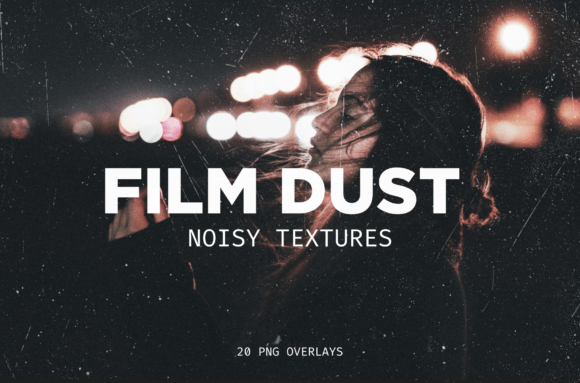
Transform Your Photos with 20 Film Dust Overlay Textures
There’s a certain magic in the grain of an old photograph, a feeling that digital perfection often misses. If you’re looking to infuse your work with that authentic, nostalgic character, the right design assets are essential. The 20 Film Dust Overlay Textures collection is precisely that—a toolkit for adding instant depth, story, and a tactile, vintage aesthetic to any image. This isn't about making things look old; it's about adding a layer of professional, atmospheric texture that feels intentional and emotionally resonant.
Understanding the Aesthetic and Technical Quality
At its core, this collection provides 20 Film Dust Overlay Textures and 20 Film Dust Textures, specifically designed as Dust Grainy Scratch Overlays. You’ll also find Vintage Photo Overlays Photoshop and Old Retro Film Photoshop Overlays, all curated to emulate the organic imperfections of analog film. The visual personality is one of subtle, controlled chaos—delicate particles of dust, fine scratches, and gentle light leaks that suggest a history behind the lens. These Grunge Textures are not overwhelming; they are nuanced additions that can soften a digital edge, create a cohesive mood across a series of images, or add a layer of sophisticated, tactile interest.
Technically, these are high-quality design assets. With a generous Size: 6000x4000 px and a professional Quality: 300 dpi, they are built for serious work. The Format: PNG & JPG options provide flexibility—use the PNGs for their transparency and seamless application as overlays, or the JPGs as standalone textures. The true power lies in their application as overlays in programs like Photoshop. By setting the blend mode to Soft Light or Overlay, you allow the texture to interact with your underlying image, creating an authentic, timeless look that feels earned, not applied.
Where These Overlays Make the Most Impact
The versatility of the 20 Film Dust Overlay Textures is where they truly shine. They are a secret weapon for enhancing visual hierarchy and brand perception across a multitude of projects.
- Photography & Editing: For portrait, lifestyle, or street photographers, these overlays add a consistent, moody grain that can become part of a signature style. They help unify a portfolio shot under different lighting conditions.
- Social Media Graphics & Brand Identity: In a sea of crisp digital imagery, a subtle dust texture can make your social media graphics stand out with warmth and approachability. For brand identity, especially for artisanal products, vintage-inspired services, or boutique studios, these textures contribute to a professional and recognizable aesthetic that tells a story.
- Editorial Design & Marketing Materials: Use them in the background of magazine layouts, website hero images, or digital brochures to add depth and prevent flatness. They work exceptionally well with both serif and sans serif typefaces, providing a rich backdrop that enhances readability by reducing stark contrast.
- Packaging Design & Product Mockups: Applying a fine grain overlay to packaging mockups or product photos can evoke a sense of craftsmanship, history, and tactile quality that pure digital renders cannot. It’s a powerful tool in packaging design for creating an emotional connection.
- Web Design & Digital Content: As a background texture in website headers, blog post graphics, or online course materials, these overlays add visual interest without distracting from the content. They support modern typography by adding a layer of organic complexity.
Practical Guidance for Using Film Dust Overlays Effectively
Simply having the asset isn’t enough; effective use is key. Here’s how to integrate the 20 Film Dust Overlay Textures into your workflow for maximum impact.
Choosing the Right Texture for Your Project
Not every texture will suit every image. Evaluate the mood of your base photograph. A high-contrast, dramatic shot might pair better with a finer, more uniform dust grain. A softer, portrait image could handle slightly more prominent scratches. Test a few options from the collection. Look at how the texture interacts with the colors and tones in your image—the goal is enhancement, not distraction.
Application and Blend Mode Mastery
After placing the texture as a layer in Photoshop, the blend mode is your primary tool. Soft Light is often the most versatile, offering a gentle integration. Overlay can be more intense, boosting contrast. Experiment with Opacity as well. Sometimes a 20-30% opacity on a Soft Light layer is all you need to achieve a beautiful, subtle effect. Remember, you can also use layer masks to apply the texture selectively—perhaps only to the edges or the background of an image.
Considering the Overall Design Context
Think about the final application. If you’re using the texture in logo design or on a small social media graphic, a very fine grain might disappear. You might need a slightly more pronounced texture from the 20 Film Dust Overlay Textures set. Conversely, for a full-bleed editorial design spread, a subtle texture will unify the space beautifully. Always view your work at the final output size and distance.
Licensing and Professional Use
This collection is a commercial font—or more accurately, a commercial asset—meaning it’s licensed for use in both personal and professional projects. This is crucial for designers, entrepreneurs, and small business owners who need to ensure their design assets are cleared for client work, product sales, and marketing campaigns. You can confidently incorporate these overlays into projects for marketers, bloggers, publishers, and content creators without licensing concerns.
Ultimately, the 20 Film Dust Overlay Textures are more than just a set of files. They are a bridge between digital precision and analog warmth, a tool for creative professionals to add a layer of human touch and narrative depth. By understanding their aesthetic, applying them thoughtfully, and using them in the right contexts, you can elevate your work from simply being seen to being felt.