Understanding the Abstract Silver Waves Background
There is a specific challenge in modern design that often goes unnoticed until you are staring at a blank artboard: finding a texture that feels futuristic and premium without overwhelming the content placed on top of it. We have all seen backgrounds that are too noisy, colors that clash with typography, and patterns that look dated the moment they are applied. The Abstract Silver Waves Background solves this by offering a fluid, metallic aesthetic that balances energy with sophistication. It is not just a static image; it is a versatile design asset that brings movement and light to a composition, making it an essential resource for anyone working in digital or print mediums today.
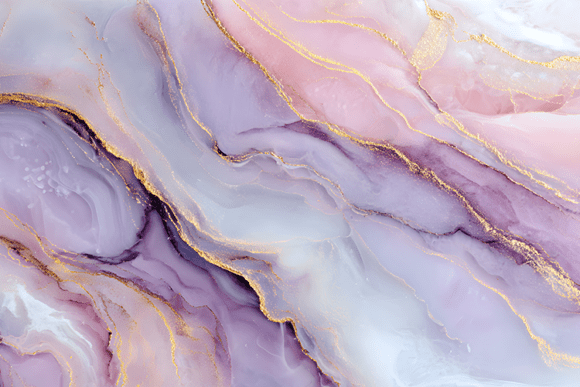
At its core, this background is defined by its fluid metallic waves. It captures the essence of liquid metal—think mercury or polished chrome—but renders it in a way that feels organic rather than industrial. The visual personality is decidedly modern. The gradients shift smoothly between shades of silver and white, creating a sense of depth and dimension. This reflective quality is what makes it so effective. It mimics how light interacts with physical surfaces, adding a layer of realism to digital designs. When you look at it, you don't just see a pattern; you see a surface that implies high quality and precision. This makes it an excellent foundation for modern typography and sleek layouts where the goal is to communicate innovation or luxury.
The Technical Foundation: Quality Meets Utility
One of the most frustrating aspects of working with stock imagery is the limitation on resolution. You find the perfect visual, only to realize it pixelates the moment you try to use it for a print project or a high-definition display. The Abstract Silver Waves Background eliminates this friction point entirely. Provided at a massive 4500 x 3000 pixels and a crisp 300 DPI, this file is built for professional use.
For designers working in editorial design or packaging design, this resolution is non-negotiable. It ensures that the fine details of the metallic texture remain sharp, even when printed on large formats like posters or trade show banners. For digital creators, the aspect ratio (3:2) fits standard monitor displays and presentation slides perfectly, offering a widescreen feel without awkward cropping. The JPEG format ensures a balance between file size and quality, making it quick to load in web applications or design software like Adobe Illustrator and Photoshop. Because it is delivered as a zipped file immediately after purchase, it integrates seamlessly into a fast-paced workflow, allowing you to move from concept to execution without delay.
Strategic Applications in Branding and Marketing
Choosing a background is rarely just about aesthetics; it is about psychology. The colors silver and white are heavily associated with technology, cleanliness, and sophistication. By utilizing the Abstract Silver Waves Background, you are subtly signaling to your audience that your brand is forward-thinking and reliable. This is crucial for brand identity work. A startup in the fintech sector, a luxury skincare line, or a high-end event planner could all leverage this imagery to anchor their visual language.
Consider logo design and web design. Placing a logo over these fluid waves creates an immediate focal point. The background provides enough contrast for both serif fonts and sans serif fonts to stand out, depending on the mood you wish to set. A thin, sans-serif typeface will look incredibly futuristic and minimal, while a bold serif might feel more authoritative and established. For social media graphics, where the scroll is relentless, this background offers the "thumb-stopping" power needed to engage users. It works particularly well for "announcement" posts, product launches, or headers where you need to convey importance and value instantly.
Enhancing Visual Hierarchy and Readability
A common mistake in design is using a background that competes with the foreground content. The Abstract Silver Waves Background is designed with a tonal range—primarily whites and mid-tone silvers—that allows for strong typographic contrast. This is vital for readability. When using this asset, you can easily apply modern typography to create a clear hierarchy. For example, a headline in a dark charcoal or deep navy will snap into focus against the lighter areas of the waves.
Furthermore, the fluidity of the design guides the eye. The curves of the waves can be positioned to lead the viewer’s gaze toward a call-to-action button or a key piece of information. This is a subtle trick used in editorial design to control the pacing of a page. Whether you are designing a pitch deck for investors or a flyer for a local event, using this background helps organize information visually. It breaks up the monotony of a flat white page while maintaining the cleanliness required for professional communication.
Practical Guide to Integration and Pairing
How do you actually use this asset effectively? The key is treating it as a supporting actor rather than the star of the show, unless the project is purely artistic. When working with the Abstract Silver Waves Background, consider the following practical steps to ensure your project looks polished:
- Evaluate the "White Space": Look at the image and identify the areas with the least amount of visual noise—usually the lighter peaks of the waves. This is your prime real estate for body text or critical details.
- Font Pairing Strategies: Because the background is fluid and somewhat organic, it pairs exceptionally well with geometric typefaces. A rigid, grid-based sans serif font creates a pleasing contrast with the soft curves of the waves. Alternatively, using a sleek script font for a headline can amplify the "liquid" feel of the background for a more artistic or cosmetic brand application.
- Color Overlay Techniques: Don't be afraid to experiment with blending modes. Placing a semi-transparent layer of your brand’s primary color over the silver waves can tint the background to match your specific brand identity while keeping the metallic texture intact.
It is also worth noting the importance of testing across devices. As mentioned in the product details, monitor calibration varies. A silver that looks crisp on a high-end retina display might look slightly darker on an older laptop screen. Always check your contrast ratios to ensure accessibility standards are met, particularly if you are using lighter text colors.
Licensing and Final Considerations
For entrepreneurs and small business owners, understanding usage rights is as important as the design itself. This asset is a commercial font and image resource, meaning it is licensed for professional use. Whether you are creating merchandise, digital products, or client work, you can use this background with confidence. However, it is always good practice to keep your receipt and the original zipped file archived for your records.
Ultimately, the Abstract Silver Waves Background is more than just a pretty picture. It is a strategic tool for visual communication. It offers a way to instantly elevate a project from "homemade" to "professional," providing a sophisticated canvas that supports a wide range of creative endeavors. From packaging design that needs to catch the light on a shelf to web design that needs to feel cutting-edge, this fluid metallic aesthetic provides the versatility and quality that modern creatives require.