Capturing the Frontier Spirit: A Look at the Western Ephemera Portrait Junk Journal
The American West holds a unique place in our collective imagination. It’s a landscape of wide-open spaces, rugged individualism, and stories etched into the very dust of the plains. For artists, crafters, and designers, capturing that specific aesthetic—the blend of nostalgia, grit, and authentic texture—can be a powerful way to connect with an audience. The Western Ephemera Portrait Junk Journal is more than just a set of printable pages; it’s a curated toolkit designed to bring that evocative frontier spirit directly into your creative projects.
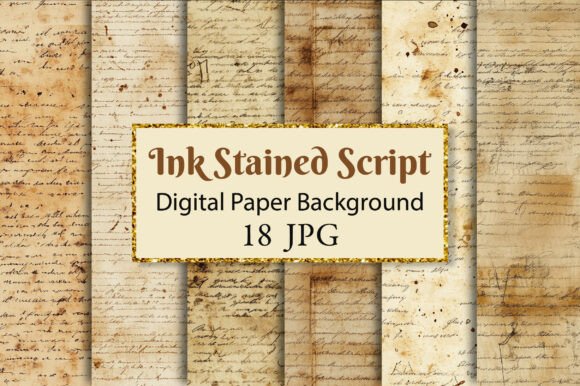
This collection is built around the concept of ephemera: the throwaway items of daily life that, over time, become treasured artifacts. Think old train tickets, faded daguerreotype portraits, handwritten letters on aged paper, and botanical sketches. These are the tangible pieces of a story, the fragments that hint at a larger narrative. The Western Ephemera Portrait Junk Journal pages are designed to feel like authentic discoveries, providing a rich, textured foundation for any project that aims for a vintage or rustic feel.
Anatomy of a Digital Collection
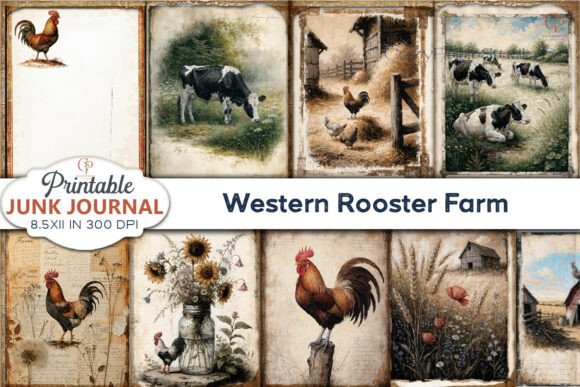
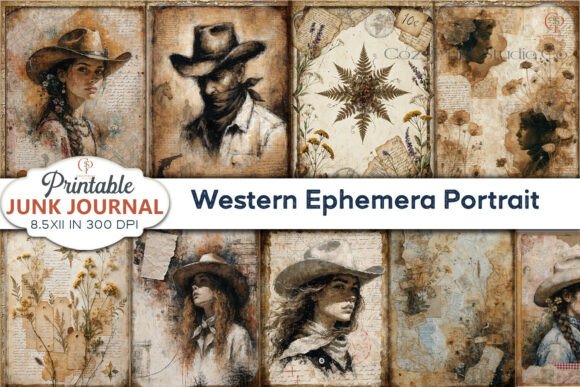
Understanding what’s included in this digital asset is key to unlocking its potential. This isn’t just a folder of random images; it’s a professionally prepared set of design assets optimized for high-quality print and digital use. The collection consists of 10 high-quality JPEG files, each rendered at a crisp 300 DPI resolution. The 8.5 x 11-inch size makes them perfectly suited for standard letter-size printing, whether you’re using a home printer or sending them to a professional print shop.
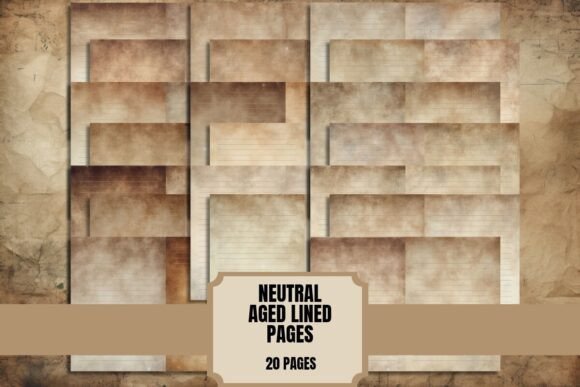
The visual character of these pages is defined by a deep commitment to authenticity. You’ll find a palette of sun-bleached browns, dusty creams, and sepia tones that evoke the look of aged paper and old photographs. The textures are subtle but present—slight grain, soft creases, and faded edges that give each page a sense of history. The portrait elements are particularly compelling, offering glimpses into the lives of people from another era, which can serve as powerful focal points in your designs. This collection functions as a premium font for visual storytelling, where the "typeface" is the texture and imagery itself.
Practical Applications for Modern Creatives
The true value of any creative asset lies in its versatility. The Western Ephemera Portrait Junk Journal is designed to be a workhorse in a creative professional's toolkit, adaptable to a wide range of personal and commercial projects. Its strength is its ability to instantly add depth, character, and a sense of narrative to any composition.
For Journaling and Paper Crafts
At its core, this is a junk journal kit. You can print the pages to create your own unique journal, using them as backgrounds for writing, sketching, or pasting in mementos. The portrait-centric designs are perfect for creating themed pages around memory, ancestry, or storytelling. For scrapbookers, these pages provide a cohesive and evocative background that can tie together photos from a family vacation out West or a heritage-themed album. The texture is also ideal for card making, allowing you to create rustic, heartfelt greetings that stand out from mass-produced cards.
In Digital Design and Branding
Beyond paper crafts, these images are powerful design assets for digital creators. A graphic designer could use a page as a textured background for a social media graphic, adding a layer of authenticity that a simple color fill can't achieve. For a small business with a rustic, handcrafted, or Americana brand identity, these textures can be used in packaging design, website backgrounds, or logo design mockups to reinforce the brand's story. Imagine a coffee roaster or a leather goods maker using these textures in their marketing materials—the visual language immediately communicates quality, tradition, and craftsmanship.
Integrating with Typography and Hierarchy
When incorporating these rich, textured backgrounds into your designs, your choice of typeface becomes critical. The goal is font pairing that creates harmony, not conflict. A bold, rustic serif font or a sturdy sans serif font with a slightly weathered feel can work beautifully for headlines, grounding the design. For a more personal touch, a simple handwritten font or script font can be used for smaller text elements, mimicking the look of journal entries or personal letters. The key is to ensure readability. Because the backgrounds are detailed, your text needs to be clear and well-positioned, often using a slightly muted color or a subtle drop shadow to stand out without looking garish. This careful balance is what separates amateur work from professional design.
Working with Digital Files: Best Practices
To get the most out of your Western Ephemera Portrait Junk Journal pages, a little practical knowledge goes a long way. Since these are digital files, your workflow will determine the final quality of your project.
- Printing for Physical Projects: For the best results, use a high-quality cardstock or matte presentation paper. This not only feels more substantial but also handles ink better, preventing the colors from looking washed out. Ensure your printer settings are configured for the correct paper type and highest quality output. The 300 DPI resolution is specifically designed for sharp, professional prints.
- Using in Digital Software: These JPEG files can be easily imported into any major design software, such as Adobe Photoshop, Illustrator, Canva, or Procreate. In Photoshop, you can use them as a base layer, adjusting the opacity or blending modes to integrate them with other elements. You can also isolate specific elements—like a single portrait or a torn paper edge—to use as overlays in your web design or editorial design projects.
- Understanding the License: This is a commercial font and asset kit, meaning you are licensed to use it in projects you intend to sell. This is crucial for entrepreneurs and small business owners. You can create and sell physical journals, printed invitations, or digital products that incorporate these pages. However, you cannot resell or redistribute the original digital files themselves. This protects the creator's work while giving you the freedom to build a business with these design assets.
Ultimately, the Western Ephemera Portrait Junk Journal is an invitation to tell a richer, more textured story. It provides the raw materials—the visual echoes of a bygone era—for you to build upon. Whether you are crafting a personal memory book or developing a brand identity that values authenticity, this collection offers a direct and tangible connection to the enduring spirit of the West. It’s a practical, high-quality resource for anyone looking to add a layer of genuine history and character to their creative work.