Vintage Burgundy Background Paper: Your Digital Toolkit
The Timeless Appeal of Digital Texture
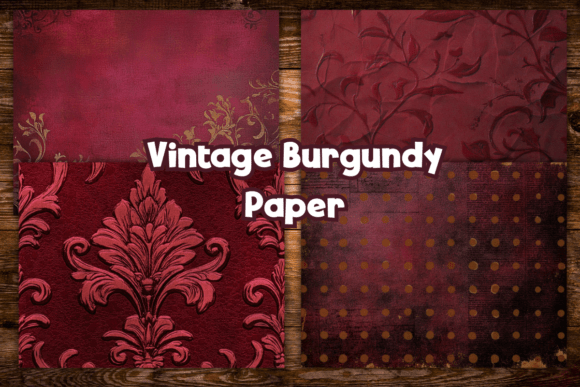
There is a specific kind of warmth that comes from aged paper. It suggests history, substance, and a story worth telling. In the digital realm, where everything can feel sterile and flat, finding a way to introduce that warmth is a powerful move. This is precisely what a collection of Vintage Burgundy Background Paper offers. It is not just a color; it is a feeling. This pack of 10 distinct JPEG files provides designers, entrepreneurs, and creators with a ready-made foundation for projects that need to feel established, luxurious, and deeply human.
The visual characteristics of this premium font of textures are its greatest strength. Burgundy itself is a color of depth, associated with sophistication, maturity, and passion. When applied as a digital paper texture, it gains a new dimension. You will notice subtle variations in tone, mimicking the natural aging process of ink on paper. There might be faint creases, gentle color bleeds, or a soft, fibrous grain that catches the light. This is not a flat, single-hex-code background. It is a surface with personality. The overall appeal is one of understated elegance and nostalgic charm, making it a versatile design asset for anyone looking to move beyond generic modern templates.
Where This Digital Paper Truly Shines
Understanding where to apply this resource is key to unlocking its value. Its strength lies in projects that benefit from a touch of heritage and weight. Think about brand identity for a boutique winery, a heritage leather goods maker, or a high-end stationer. Using this paper as a background for logo mockups or brand guideline presentations instantly communicates a narrative of quality and tradition. It becomes more than a backdrop; it becomes part of the brand's story.
The applications extend far beyond logos. In editorial design, these textures are perfect for magazine layouts, book covers, or report backgrounds where you want to evoke a classic, literary feel. For packaging design, especially for gourmet foods, artisanal crafts, or luxury cosmetics, a burgundy paper texture can be the difference between a product that feels mass-produced and one that feels handcrafted. In the digital space, it brings life to social media graphics, website hero sections, and email newsletter headers, especially for businesses targeting an audience that appreciates craftsmanship and history. It is a fantastic resource for bloggers and content creators in the lifestyle, food, or history niches who need their visuals to match their narrative depth.
Making Informed Design Choices
While the aesthetic is immediately appealing, a thoughtful approach ensures the vintage burgundy background paper enhances rather than overwhelms your project. First, consider readability. A textured background, no matter how beautiful, can compete with text. The solution is in the contrast and the typography you pair with it. This is where understanding font pairing becomes critical. A clean, bold sans serif font for headlines often works beautifully against the ornate detail of the paper, providing clear hierarchy. For body text, a highly legible serif font with good spacing is usually a safer bet than a delicate script font or handwritten font, which might get lost in the texture.
Evaluating project fit is your next step. Ask yourself: Does my message require the gravitas this texture provides? A tech startup's app launch might call for something cleaner, while a law firm's annual report or a wedding invitation suite could be a perfect match. Test the JPEGs at 300dpi in your actual project files. Zoom in. How does the texture interact with your chosen color palette? Does it support your visual hierarchy or fight it? The pack's variety of 10 styles gives you options—some may be more distressed, others more subtly aged. Select the one that best aligns with your specific modern typography goals.
Finally, a note on practicality. These are JPEG files in US Letter size, making them ideal for both digital and print projects. For web use, they can be tiled or used as large, static backgrounds. For print, their 300dpi resolution ensures they will look sharp on flyers, posters, and packaging. As with any commercial font or asset, review the licensing terms to ensure they cover your intended use, whether for personal projects or client work. By treating this resource not as a magic solution but as a powerful tool in your design assets toolkit, you can create work that feels both professionally polished and authentically textured. It is a simple way to add a layer of sophistication and brand recognition that flat colors simply cannot achieve.