Vintage Shabby Chic Butterflies & Roses: A Designer's Digital Toolkit
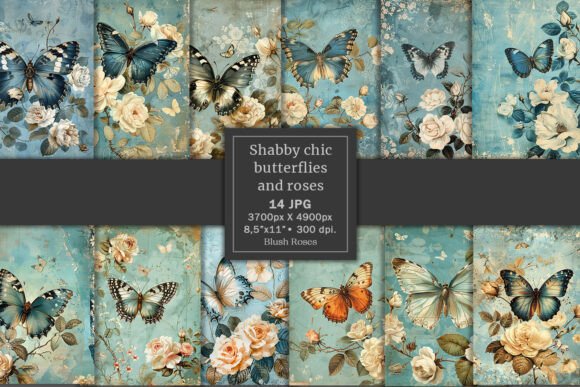
There’s a certain magic in objects that carry a sense of history. The soft fade of aged paper, the delicate imperfection of a pressed flower, the whimsical flutter of a butterfly wing—these elements evoke nostalgia and romance. The Vintage Shabby Chic Butterflies & Roses junk journal pages digital kit captures this essence perfectly. It’s not just a set of printable designs; it’s a curated collection of artistry that blends the elegance of roses with the whimsy of butterflies, all wrapped in an authentic, time-worn aesthetic. For creators, this means having a library of high-resolution assets that can instantly transport any project into a world of old-world charm.
Understanding the Aesthetic: More Than Just Pretty Pictures
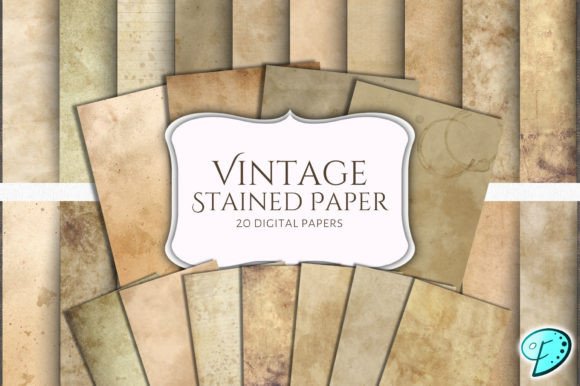
At its core, the shabby chic style is about celebrating imperfection and softness. The Vintage Shabby Chic Butterflies & Roses collection embodies this with a muted, often pastel color palette, layered textures that mimic aged paper or fabric, and compositions that feel artfully arranged rather than rigidly designed. You’ll find delicate floral illustrations, intricate butterfly motifs, and backgrounds that feature subtle stains, creases, and soft vignetting. This isn’t a sterile, modern graphic set. It has a personality—it’s romantic, a little whimsical, and deeply nostalgic.
This visual personality makes it a powerful tool for influencing brand perception. When incorporated into design assets, it communicates warmth, craftsmanship, and a connection to tradition. A small business owner using these elements in packaging or social media graphics can evoke a sense of handmade care and timeless quality. For a blogger or publisher, it adds a layer of editorial charm that makes content feel more curated and personal. The style works because it feels human and authentic, which is a valuable currency in today’s digital landscape.
Practical Applications Across Creative Projects
The true value of a high-quality digital kit lies in its versatility. The Vintage Shabby Chic Butterflies & Roses pages are designed for real-world use, not just digital viewing. Think of them as foundational design assets. Here’s where they shine:
- Editorial & Publishing: Use them as backgrounds for blog headers, chapter title pages in e-books, or as decorative borders in digital magazines. The high-resolution (300 dpi) ensures crisp text and details, making them ideal for print-on-demand books, zines, or premium PDF guides.
- Brand Identity & Marketing: They can serve as a unique texture in logo design concepts, especially for brands in the wellness, floral, artisanal, or vintage retail space. Incorporate them into social media templates, email newsletter banners, or website hero images to create a consistent, evocative brand identity.
- Packaging & Product Design: For entrepreneurs selling handmade goods, candles, soaps, or stationery, these designs can be printed directly onto packaging materials, labels, or thank-you cards. This elevates the unboxing experience and reinforces a brand’s artisanal story.
- Digital & Print Crafts: The primary purpose is junk journaling, but the applications extend to scrapbooking, creating printable wall art, designing custom greeting cards, or making decorative elements for planners. The 8.5″ x 11″ format is perfect for home printing.
Making It Work: Guidance for Designers and Creators
Integrating a strong stylistic element like this requires a thoughtful approach. It’s a creative font in visual form—a display asset meant to set a tone, not necessarily to be the workhorse of a body of text. Here’s how to use it effectively:
- Evaluate Project Fit: Does your project call for romance, nostalgia, or a handmade feel? If you’re designing for a tech startup, this might clash. But for a wedding planner, a vintage shop, or a lifestyle brand, it’s a perfect match. Always let the project’s message guide your asset selection.
- Master Visual Hierarchy: Use these ornate pages as backgrounds or featured panels. Pair them with clean, legible typography—often a simple sans serif font or a classic serif font works best. This creates a necessary contrast, ensuring your message remains clear and readable while the shabby chic elements provide atmosphere. Think of the kit as the setting and your chosen typeface as the actor delivering the lines.
- Test Font Pairings Thoughtfully: If you’re creating a logo or headline that incorporates these textures, consider how the letterforms interact. A bold, modern typeface can create an intriguing juxtaposition, while a delicate script font might blend harmoniously but risk losing legibility. Always test pairings at the intended size.
- Consider the Commercial License: This is crucial. The kit is described as NOT POD (Print on Demand). This likely means you cannot sell the unaltered digital files or use them in a product where the primary value is the design itself (like selling a pack of digital papers). However, you can typically use them in your own physical products, marketing materials, and client projects where they are part of a larger design. Always review the specific license terms to ensure compliance for your commercial use.
The unlimited edits and downloads offer are a significant practical benefit. It allows you to experiment freely, crop sections, adjust colors in your design software, and reuse elements across multiple projects without worrying about additional costs. This makes it a sustainable asset for ongoing creative work.
A Final Note on Quality and Authenticity
The guarantee of high-resolution, sharp designs is what separates a professional digital asset from a disappointing one. Blurry edges or pixelated textures can undermine a project’s credibility. With the Vintage Shabby Chic Butterflies & Roses kit, you’re investing in print-ready quality. This reliability is what allows you, whether you’re a designer crafting a client’s brand or a hobbyist making a gift, to produce work that feels polished and intentional.
In the end, this collection is more than just a set of pretty pages. It’s a toolkit for storytelling. It provides the visual language to evoke a specific feeling—warmth, nostalgia, and delicate beauty. By understanding its aesthetic strengths and applying it with strategic design thinking, you can create work that doesn’t just look good, but feels deeply resonant. It’s about using these vintage-inspired elements to build something new, personal, and authentically engaging for your audience.