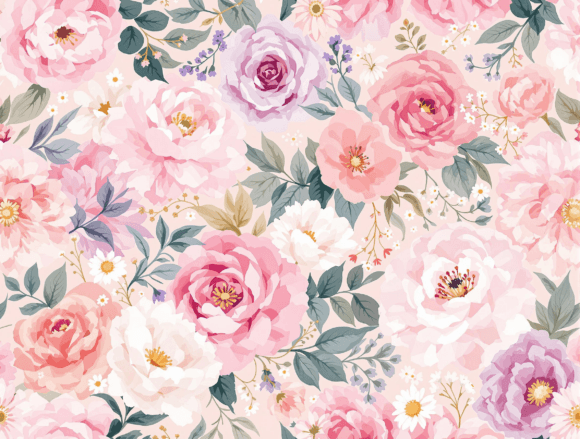
Retro Wave Pattern: A Vibrant Vintage Aesthetic
There’s a particular kind of nostalgia that hits when you see the right visual. It’s not just about the past; it’s about a stylized, idealized version of it—think neon grids, sunset gradients, and a sense of cool, effortless motion. This is the essence of the Retro Wave Pattern. It’s more than just a collection of stripes and stars; it’s a full-fledged design asset that instantly injects warmth, energy, and a distinct vintage personality into any project. The flowing lines and warm color palette don’t just catch the eye; they tell a story of a bygone era reimagined for today’s creative landscape.
More Than Nostalgia: The Visual Language
At its core, this pattern is a masterclass in controlled vibrancy. The warm colors—think deep oranges, magentas, and golden yellows—blend seamlessly, creating a sense of depth and movement. The flowing stripes aren’t rigid; they curve and interact, suggesting waves of sound, light, or energy. Scattered stars add a touch of playful, cosmic flair. This combination creates a vintage aesthetic that feels both familiar and fresh. It’s a creative font in visual form, offering the same kind of expressive potential as a well-chosen typeface. The personality here is bold, optimistic, and unapologetically fun, making it a powerful tool for grabbing attention without saying a word.
Where does this pattern shine brightest? Its versatility might surprise you. For brand identity, it can be the cornerstone of a logo for a music producer, a retro-themed cafe, or a tech startup with a nostalgic edge. In editorial design, it transforms a magazine cover or a book jacket, instantly setting a specific mood. As a background for social media graphics, it stops the scroll, providing a dynamic canvas for text overlays. It’s equally effective in packaging design, wrapping a product in an unforgettable visual statement. Think of it as a premium font for your visual toolkit—one that adds instant character and cohesion.
Applying the Pattern: Strategy Over Decoration
Using such a vibrant asset effectively requires a strategist’s mindset. The goal is integration, not just application. First, consider your project’s core message. The Retro Wave Pattern communicates energy, creativity, and a touch of rebellion. It’s perfect for brands targeting audiences who appreciate authenticity and bold self-expression, from entrepreneurs launching unique products to content creators building a distinct online persona.
When incorporating it, think about visual hierarchy. This pattern is a star player, not a wallflower. Use it as a hero background behind large, clean typography—a solid sans serif font or a geometric serif font often provides the perfect contrast. For web design, it could be a striking header section or an animated banner. In print, like a poster or flyer, let it dominate a section while keeping other areas minimal to avoid overwhelming the viewer. The key is balance. The pattern’s inherent energy needs to be channeled, not clashed with.
Practical considerations are crucial. The provided 6000x4000 pixel, 300 dpi JPEG ensures your design assets are print-ready, perfect for high-quality commercial font and graphic projects. Remember the note on color variance: always test a print proof if your project is physical. For digital work, calibrate your monitor to ensure the warm tones translate as intended across different screens. This attention to detail separates professional execution from amateur dabbling.
Making It Work: Pairing and Professionalism
The true power of a design asset like this is unlocked through thoughtful pairing. Don’t let the pattern fight for attention with a busy typeface. Instead, choose a font pairing that complements its style. A clean, modern display font for headlines can work beautifully, paired with a highly legible sans serif for body text. Avoid overly ornate script fonts or handwritten fonts that might get lost in the visual noise unless used very sparingly for accent text.
Think about the context of your entire brand or project. Consistency is king in building recognition. If you use the Retro Wave Pattern in your logo, consider how its colors and energy can be echoed in other elements—a subtle gradient in your website’s footer, a color swatch in your social media templates, or a patterned border in your print materials. This creates a cohesive modern typography and visual system that feels intentional and professional.
Finally, always evaluate the fit. This pattern isn’t for every project. A law firm’s annual report or a minimalist skincare line might call for something quieter. But for a fitness brand, a music festival, a gaming channel, or a vintage clothing store, it’s a perfect match. It’s a tool for specific jobs. When the job is to evoke excitement, nostalgia, and a vibrant personality, the Retro Wave Pattern delivers with a confident, stylized punch that few other assets can match. Use it wisely, and it becomes more than decoration—it becomes the voice of your visual story.