Vegetable Pages Vintage Junk Journal: A Fresh Take on Rustic Design
There's a certain charm to the imperfect, the hand-touched, and the authentically aged. The Vegetable Pages Vintage Junk Journal digital collection captures this essence perfectly, offering a versatile set of design assets that feel both nostalgic and refreshingly organic. This isn't just another set of patterns; it's a toolkit for adding layers of texture, history, and a distinctly human touch to your creative projects. For designers, crafters, and entrepreneurs, understanding how to leverage such a collection can transform flat digital work into something with tangible depth and character.
Unpacking the Visual Character and Appeal
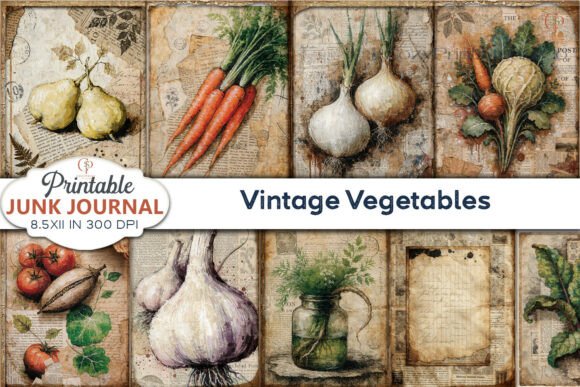
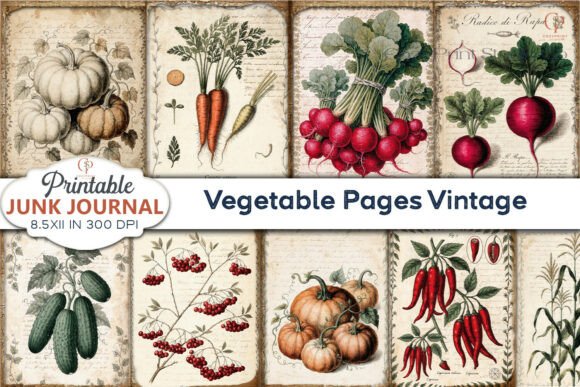
At its core, the Vegetable Pages Vintage Junk Journal collection is defined by its curated aesthetic. The high-quality JPEG files present a visual style that marries the rustic, earthy tones of heritage vegetables with the weathered, time-worn look of antique paper. Think muted greens, deep burgundies, and ochre yellows set against backgrounds that mimic the patina of old ledgers, handwritten notes, and faded botanical prints. The personality is one of authenticity and quiet sophistication. It avoids the slickness of modern minimalism, instead offering a vintage warmth that feels personal and storied. The overall appeal lies in its ability to evoke a sense of nostalgia and craftsmanship, making it an ideal creative font companion for projects that aim to feel handmade, artisanal, or deeply connected to tradition and nature.
Strategic Applications for Modern Creators
The true value of a resource like the Vegetable Pages Vintage Junk Journal lies in its application. For brand identity work, these pages can serve as foundational textures for logos, business cards, and packaging design for brands in the organic food, artisanal goods, or boutique hospitality sectors. They instantly communicate values of sustainability, heritage, and quality. In editorial design, they make stunning backgrounds for magazine layouts, book covers, or digital zines, particularly for topics like gardening, cooking, or history. The 300 DPI, 8.5 x 11 inch format is perfect for direct printing, making them ready-made elements for scrapbooking, junk journaling, and card making.
Beyond print, their utility in digital spaces is significant. Social media managers and content creators can use these pages as textured overlays for Instagram stories, Pinterest pins, or Facebook headers, adding a layer of visual interest that stops the scroll. For web design, they can be used as subtle background textures or as framing elements for hero images, creating a cohesive and immersive online experience. The collection's versatility makes it a powerful asset for planner decoration and DIY creative projects, allowing for the creation of unique, personalized stationery and home decor items.
Making It Work: Practical Guidance for Your Projects
Integrating a distinct visual style like this requires thoughtful execution. First, consider font pairing. The rustic, textured nature of the Vegetable Pages Vintage Junk Journal pairs beautifully with a range of typefaces. A clean, simple sans serif font can provide excellent contrast and ensure readability for body text, while a elegant script font or a classic serif font can complement the vintage vibe for headlines. Avoid overly ornate or similarly textured fonts that might compete for attention and reduce clarity.
Evaluating project fit is crucial. Ask yourself: does my project's message align with the themes of heritage, nature, and authenticity? For a tech startup's sleek product launch, this aesthetic might feel incongruous. But for a farm-to-table restaurant's menu, a baker's branding, or a wellness blog's graphics, it's a perfect match. Always test how the textures interact with your text and other design elements. Ensure there is sufficient contrast to maintain readability, especially for longer passages. The high-resolution files are a strength, but proper scaling and placement are key to a professional outcome.
Finally, remember this is a digital download—an instant asset to your creative library. There's no shipping delay, which is ideal for fast-paced projects. The included files are ready to print, but their digital nature also allows for endless manipulation in photo editing software. You can adjust opacity, layer multiple pages, recolor elements, or combine them with other design assets to create something truly unique. By approaching the Vegetable Pages Vintage Junk Journal not as a finished product but as a raw material for your creativity, you unlock its full potential to elevate your work with genuine, textured character.