Rustic Farmers Market Junk Journal Pages: A Creative Toolkit
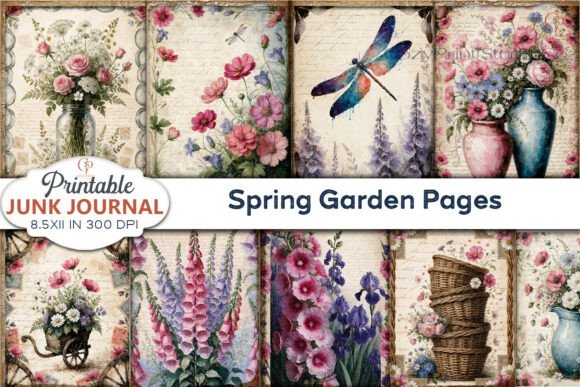
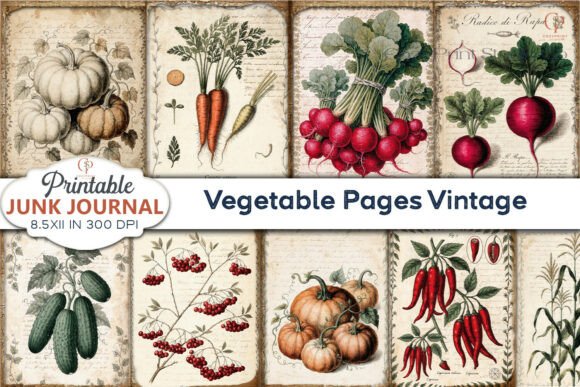
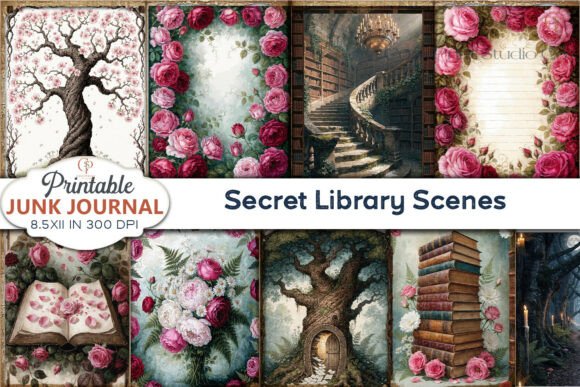
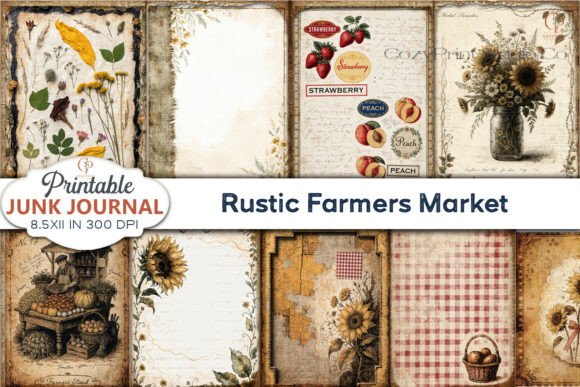
There’s a certain warmth to a well-loved farmers market—the hand-painted signs, the weathered wood, the sense of community and honest craft. Capturing that feeling in your creative projects is exactly what the Rustic Farmers Market Junk Journal Pages are designed to do. This set of ten high-quality JPEG files isn't a font, but a collection of premium design assets that provide an instant, textured foundation for a wide array of visual work. Think of them as the digital equivalent of vintage paper scraps, burlap textures, and farmstand typography, all ready to be layered, printed, and transformed.
Visual Style and Authentic Appeal
The visual personality of these pages is rooted in authenticity. They evoke a sense of nostalgia, warmth, and handcrafted quality. You’ll find elements that suggest aged paper, subtle grain, and the kind of rustic imperfections that give a project soul. This isn't sleek, minimalist modern typography; it's a design language that speaks of heritage, simplicity, and organic charm. The overall appeal lies in its versatility as a background or a standalone element. It provides a ready-made atmosphere that can ground a project, making it feel established and trustworthy without a single word of copy.
For a designer or brand strategist, this aesthetic is a powerful tool. It aligns perfectly with brands that want to communicate artisanal quality, farm-to-table freshness, homemade goods, or sustainable living. The texture and visual weight of these pages can significantly influence brand perception, immediately setting a tone that is approachable, genuine, and connected to tradition. When used in packaging design or social media graphics, they create an instant visual shorthand for quality and care.
Practical Applications Across Creative Fields
The true value of a resource like this is measured in its utility. These Rustic Farmers Market Junk Journal Pages are best for projects where texture and atmosphere are paramount. Here’s how different creatives can put them to work:
- Junk Journaling & Scrapbooking: This is their native environment. Use them as foundational backgrounds, tear them for collage edges, or print them to create custom journal covers and dividers. They provide instant depth and character.
- Card Making & Paper Crafts: Create stunning, textured greeting cards, gift tags, or invitations with a rustic theme. The 300 DPI resolution ensures crisp, professional prints every time.
- Editorial & Publishing Design: Bloggers and publishers can use these as chapter title pages, pull-quote backgrounds, or section dividers in both digital and print layouts. They add a tactile feel to online articles and e-books.
- Small Business Branding: Entrepreneurs can incorporate these textures into their logo design concepts, business card backgrounds, or product hang tags to reinforce a brand identity centered on craftsmanship and natural ingredients.
- Digital Content Creation: Marketers and content creators can use them as backgrounds for Instagram stories, Pinterest pins, or website hero sections to quickly convey a rustic, authentic vibe that engages audiences looking for genuine content.
When integrating these pages, consider them a key part of your font pairing strategy. The rugged texture pairs beautifully with clean serif fonts for body text and elegant script fonts or handwritten fonts for headlines. This contrast creates a clear visual hierarchy, ensuring your message remains readable while the background enhances the mood. For a more cohesive look, a sturdy sans serif font can also work well, providing a modern counterpoint to the vintage texture.
Guidance for Effective Use
To get the most out of these design assets, a little practical planning goes a long way. First, evaluate your project's fit. Does your brand or project theme align with rustic, natural, or vintage aesthetics? If you're designing for a tech startup, the fit might be strained. But for a local bakery, a gardening blog, or a handmade soap company, it’s a perfect match.
Next, think about layering and composition. These pages are at their best when they aren’t used in isolation. Try layering them with solid color blocks, other textures, or typographic elements. Use the "multiply" or "overlay" blending modes in your design software to integrate them seamlessly with other layers. This technique enhances the sense of depth and makes the design feel more intentional and professional.
Finally, always be mindful of readability. The textured background, while beautiful, can compete with text. Ensure your body copy has sufficient contrast. A common technique is to place a semi-transparent white or cream-colored box behind text blocks. This maintains the rustic feel while guaranteeing your message is clear and accessible, which is crucial for both web design and printed materials.
Remember, this is a digital download, providing you with ten 8.5x11 inch, 300 DPI JPEG files. This gives you immense flexibility for printing at home or at a professional printer, and for using the files in any digital project. There's no physical item to wait for, just instant creative potential. By understanding the assets' strengths and applying thoughtful design principles, you can leverage the Rustic Farmers Market Junk Journal Pages to create work that feels deeply authentic, visually engaging, and strategically on-brand.